

2026 Hyundai SUV Maintenance Guide, Warranty, and Roadside Assistance Info
2026 Hyundai SUV Maintenance Guide, Warranty, and Roadside Assistance Info
Posted on March 28, 2026
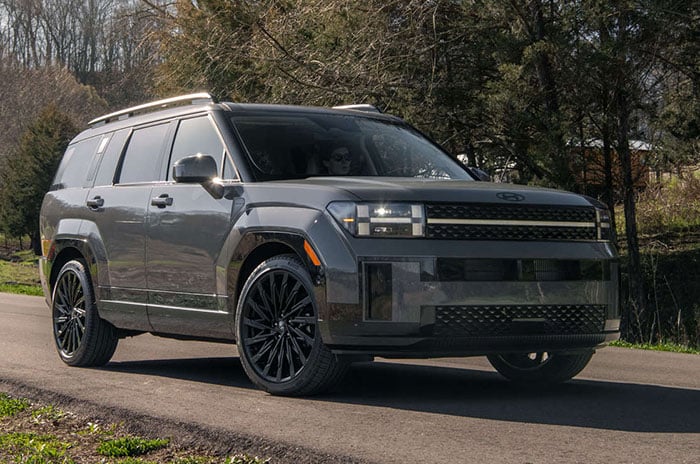
Owning an electric vehicle means a different maintenance rhythm than a gas-powered car. There's no oil to change, no spark plugs to replace, and fewer moving parts that wear out. But maintenance doesn't disappear - it shifts to different systems. If you're driving a 2026 Hyundai electric SUV in Cambridge, understanding what needs attention and when helps you avoid surprises and keep your vehicle running efficiently for years.
This guide covers essential maintenance tasks, Hyundai's warranty protection, and how roadside assistance works when you need it.
What Maintenance an Electric SUV Actually Needs
Electric vehicles eliminate most engine-related maintenance - no oil changes, transmission fluid flushes, fuel filters, or exhaust system repairs. What remains are systems that work hard regardless of power source.
Brake system inspection is still necessary, though regenerative braking reduces friction brake wear. You'll likely go longer between brake pad replacements, but brake fluid still absorbs moisture and needs replacement periodically.
Tire rotation and alignment matter significantly. Electric SUVs are heavier due to battery packs, accelerating tire wear if rotation is skipped. Proper tire inflation affects range - underinflated tires increase rolling resistance and reduce efficiency. Check pressure monthly, especially during seasonal temperature changes.
Cabin air filter replacement keeps the HVAC system efficient. A clogged filter forces the system to work harder, draining the battery faster. Replace the cabin air filter regularly as it gets clogged with winter debris and salt dust; a dirty filter reduces HVAC efficiency.
Battery coolant system requires periodic inspection. The battery pack uses liquid cooling to maintain optimal temperature. Hyundai's service schedule calls for regular coolant inspections.
Wiper blades and washer fluid are basic but easily overlooked. Spring in Cambridge brings rain and road spray, so maintain good blades and topped-up washer fluid. Winter blades or worn blades should be swapped for spring/summer ones ahead of April showers.
12-volt battery powers vehicle electronics and control systems separately from the high-voltage battery pack. Cold weather degrades battery capacity; a battery over three years old should be tested or replaced proactively.
Hyundai's Warranty Coverage for Electric Vehicles
Hyundai's warranty structure includes multiple protection layers.
Comprehensive warranty covers most components - including electric motor, onboard charger, and power electronics, excluding normal wear items like tires and brake pads.
High-voltage battery warranty guarantees the battery retains sufficient capacity. Hyundai repairs or replaces batteries degrading below this threshold due to manufacturing defects. Normal capacity loss from regular use is expected and not covered.
Corrosion warranty protects against rust-through - important in Ontario where road salt is heavily used November through April.
Roadside assistance is included, covering towing, battery boost, flat tire changes, lockout service, and emergency charging assistance. The program operates 24/7 across Canada.
Warranty coverage requires following the maintenance schedule in your owner's manual. Skipping scheduled service can void warranty claims if failure links to neglected maintenance. Keep service records for potential disputes.
How Roadside Assistance Works for Electric Vehicles
Running out of charge is the EV equivalent of running out of gas. Hyundai's roadside assistance includes emergency charging support - a service truck delivers enough charge to reach the nearest charging station.
Flat tire service is included, though electric SUVs often lack spare tires due to weight and space constraints. Many models include tire repair kits for temporary small puncture sealing. Unrepairable tires require towing to a service centre.
12-volt battery boost is among the most common roadside calls. If the 12-volt battery dies, the vehicle won't power on even with a fully charged high-voltage battery. A boost restarts the system, but failing batteries should be replaced soon after.
Lockout service covers locked-in keys, though less common with keyless entry systems.
To access roadside assistance, call the number in your owner's manual or glovebox card. Have your VIN ready for coverage verification and service dispatch.
Seasonal Maintenance for Ontario Driving
Spring in Cambridge means addressing winter's aftermath - salt residue, pothole damage, and tire changeover.
Undercarriage wash removes road salt from wheel wells, suspension components, and battery pack underside. Salt accelerates corrosion. While battery packs are sealed, surrounding structures aren't. Early spring undercarriage washing prevents long-term rust damage.
Tire changeover should happen once temperatures consistently exceed 7°C. Running winter tires in warm weather accelerates tread wear and reduces handling. Wash and dry winter tires before storage to prevent salt-induced rim corrosion.
Wheel alignment check is worthwhile after winter, especially after hitting potholes or ice ridges. Misalignment causes uneven tire wear and reduces range by increasing rolling resistance.
Brake inspection should check for rotor and caliper corrosion. Salt and moisture corrode brake pads, rotors, and calipers over winter; have a tech assess wear.
Keeping Your EV Efficient Year-Round
Maintenance protects range and efficiency.
Tire pressure significantly affects range. Underinflated tires increase rolling resistance, forcing the motor to work harder and draining the battery faster. Cold air lowers tire pressure, increasing rolling resistance and consumption; check and maintain pressure at least monthly in winter and adjust to manufacturer's recommended PSI on the driver's door jamb.
Battery preconditioning warms the battery and cabin while plugged in, shifting heating load to the grid instead of the battery. This improves range, especially in cold weather. Canadian EV organizations and roadside clubs recommend preheating the cabin and battery 20 - 30 minutes before departure while the car is still plugged in. Set departure times in vehicle settings to automate this process.
Charging habits affect long-term battery health. Plug in whenever possible in winter ("always be charging"), especially after driving while the battery is still warm; this improves charge efficiency and can slightly extend usable range. Avoid letting the battery sit at 100% for extended periods. Keep it between 20% and 80% for daily use. Full charges are fine before long trips but shouldn't be default. Avoid regularly dropping below 10% - deep discharges stress cells and accelerate capacity loss.
Why Regular Service Appointments Still Matter
Even with fewer maintenance tasks, scheduled service appointments are valuable. Trained technicians spot issues before they become problems - coolant leaks, worn suspension bushings, software updates improving charging speed or range.
Hyundai's service intervals for electric vehicles are typically longer than gas-powered models. Service intervals vary based on driving conditions and the specific model.
Service appointments also provide software update opportunities. Electric vehicles receive over-the-air updates for some systems, but others require dealership visits, improving battery management, charging speed, and adding features.
What Hyundai Covers and What You're Responsible For
Warranty covers: Manufacturing defects, component failures not caused by neglect or misuse, battery capacity loss below warranty thresholds within warranty period, and rust-through corrosion.
Owner is responsible for: Normal wear items (tires, brake pads, wiper blades, cabin air filters), damage from accidents, neglect, or improper maintenance, cosmetic issues (paint chips, scratches, interior wear). Software updates requiring dealership visits are typically covered, but diagnostic fees for non-warranty issues are owner responsibility.
If unsure whether a repair is covered, contact the service department before authorizing work. Warranty claims require documentation - keep all service records and receipts.
How to Keep Your Warranty Valid
Warranty coverage requires following Hyundai's maintenance schedule. Skipping scheduled service or using non-approved parts can void warranty claims if failure links to neglected maintenance.
Keep service records. If performing maintenance yourself, keep parts receipts and document work. Hyundai may request proof that maintenance was completed on schedule for warranty claims.
Use approved parts. Aftermarket parts are fine for some repairs, but critical systems like battery cooling and high-voltage components should use OEM parts to maintain warranty coverage.
Follow the maintenance schedule outlined in your owner's manual, which varies based on driving conditions.
What to Do When Something Goes Wrong
If a warning light appears or the vehicle behaves abnormally, don't ignore it. Electric vehicles have sophisticated diagnostic systems monitoring hundreds of sensors and components.
Check the owner's manual first. Some warning lights indicate minor issues resolvable without service visits - loose charging port doors, low washer fluid, or tire pressure alerts.
Contact roadside assistance if the vehicle won't drive. If the vehicle won't power on, displays critical errors, or loses propulsion, call roadside assistance. Driving with serious faults can cause additional damage.
Schedule service appointments for non-urgent issues. If the vehicle is drivable but a warning light is on, schedule service. Delaying diagnosis can turn minor issues into major repairs.
Your Next Step
If your 2026 Hyundai electric SUV is due for service or you have questions about warranty coverage, the service team at Cambridge Hyundai can help. Book an appointment online or call to schedule a time that works for you.