

2026 Hyundai Tucson vs. 2026 Honda CR-V: Which Compact SUV Should You Buy?
2026 Hyundai Tucson vs. 2026 Honda CR-V: Which Compact SUV Should You Buy?
Posted on April 26, 2026
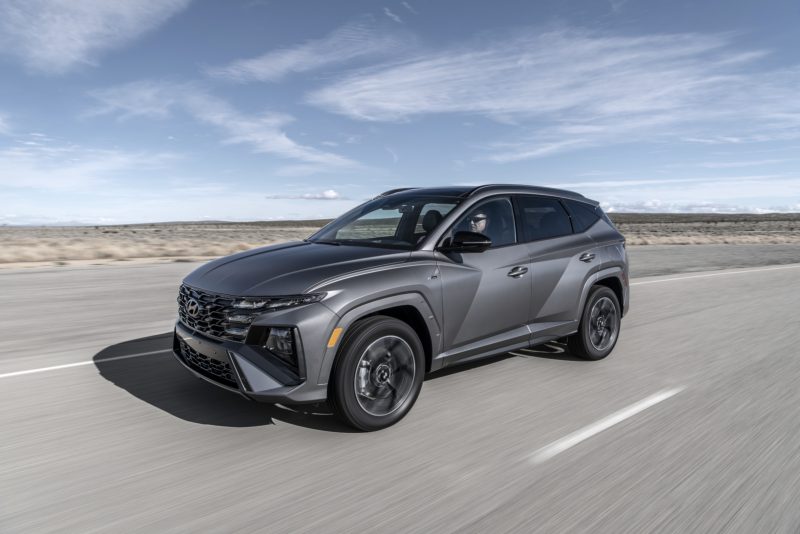
Shopping for a compact SUV in Cambridge, Ontario means navigating a crowded segment full of capable, well-equipped vehicles. Two names that come up consistently are the 2026 Hyundai Tucson and the 2026 Honda CR-V — both solid options, but built with different priorities in mind. If you're trying to make a confident decision, a side-by-side look at what each vehicle actually delivers will help.
The Tucson earns its place at the top of this comparison by covering more ground from the base trim. With AWD standard across the entire lineup and hybrid powertrains available on most trims, the Tucson is engineered for Ontario driving conditions in a way the CR-V simply doesn't match at every entry point. Here's how these two stack up where it counts.
At a Glance: 2026 Hyundai Tucson vs. 2026 Honda CR-V
| Feature | 2026 Hyundai Tucson | 2026 Honda CR-V |
|---|---|---|
| Base Engine | 2.5L 4-cylinder, 187 hp | 1.5L turbo 4-cylinder, 190 hp |
| AWD | Standard on all trims | Available (optional on base) |
| Hybrid Available | Yes — N Line & Ultimate | Yes — Sport Hybrid and above |
| Cargo (seats up) | 1,095 L (2.5L) | 1,113 L (LX FWD) / 1,028 L (Hybrid) |
| Cargo (seats down) | 2,119 L (2.5L) | 2,166 L (LX FWD) / 2,030 L (Hybrid) |
| Infotainment Screen | 12.3" (most trims) | 9" (base) |
| Wireless CarPlay/Android Auto | Standard | Standard |
| Fuel Economy (Combined) | 6.7 L/100 km (Hybrid) | 6.4 L/100 km (Hybrid AWD) |
| Plug-in Hybrid Option | Yes (Ultimate PHEV) | No |
Powertrain and Efficiency
The 2026 Tucson gives buyers three powertrain paths: a 2.5L 4-cylinder engine producing 187 hp paired to an 8-speed automatic transmission on the Preferred and Preferred with Trend Package trims; a 1.6L Turbo Hybrid on the N Line producing a combined 231 hp and 271 lb-ft of torque; and a 1.6L Turbo Plug-in Hybrid on the Ultimate trim producing a combined 268 hp with 51 kilometres of all-electric range. AWD is standard across every trim without exception.
The CR-V's base 1.5L turbocharged 4-cylinder engine produces 190 hp and 179 lb-ft of torque, with FWD as standard on the LX trim and AWD listed as available — meaning buyers must opt up or pay extra to get all-wheel drive. The CR-V Hybrid lineup uses a 2.0L 4-cylinder with a two-motor hybrid system producing a combined 204 hp. There is no plug-in hybrid option in the CR-V lineup.
For drivers in Cambridge who want real-world year-round confidence without having to carefully choose the right trim or package to get AWD, the Tucson makes that choice for them. Every Tucson, at every price point, comes with HTRAC All-Wheel Drive standard.
- Tucson Hybrid: 6.7 L/100 km combined (AWD)
- CR-V Hybrid: 6.4 L/100 km combined (AWD)
- Tucson PHEV: 51 km electric-only range (available on Ultimate)
- CR-V: No plug-in hybrid available
Interior Space and Comfort
The Tucson's cabin is generous across all trims. Cargo volume behind the second row checks in at 1,095 L on 2.5L models and 1,097 L on hybrid trims — with maximum cargo of 2,119 L when the rear seats are folded. The CR-V comes in at 1,113 L behind the rear seats on LX FWD models, but that drops to 1,028 L on hybrid trims due to battery packaging.
The Tucson's interior also steps up on tech from the entry level. The Preferred trim comes with a 12.3" infotainment touchscreen, wireless Apple CarPlay and Android Auto, heated front seats, a heated leather-wrapped steering wheel, and a proximity key with remote start — all standard. The CR-V LX makes do with a 9" touchscreen and a 6-way manually adjustable driver's seat.
On both the N Line and Ultimate trims, the Tucson adds panoramic sunroofs, Bose 8-speaker premium audio, and suede or leather seating surfaces. The CR-V EX-L Hybrid does bring leather-trimmed seating and 8-way power driver's adjustment, but you're stepping into a higher trim bracket to access comparable comfort.
Technology and Safety
The Tucson's standard safety suite — Hyundai SmartSense — includes Forward Collision-Avoidance Assist with pedestrian, cyclist, and junction turning detection; Blind-spot Collision Avoidance Assist; Smart Cruise Control with Stop & Go; Lane Keeping Assist; Safe Exit Warning; Driver Attention Warning; Rear Occupant Alert; and eight airbags. These features are standard on the entry Preferred trim.
Honda Sensing on the CR-V is also a strong package, covering Adaptive Cruise Control, Collision Mitigation Braking, Lane Keeping Assist, and Blind Spot Information — but several of those items that come on base Tucson trims require stepping up on the CR-V side.
The Tucson's 12.3" infotainment display is larger than the CR-V's 9" base screen and includes over-the-air software updates via the Bluelink connected vehicle system, a feature not offered on the base CR-V.
Which Compact SUV Fits Your Life?
For families and commuters in Cambridge shopping in the compact SUV segment, the 2026 Tucson stands out on three points that matter most: AWD is standard without paying more, hybrid options are available across a wider range of trims, and the plug-in hybrid option gives buyers a path to lower ongoing fuel costs that the CR-V simply doesn't offer. The Tucson's infotainment and safety tech also come well-equipped earlier in the trim lineup.
The CR-V is a proven vehicle with solid hybrid efficiency figures, but shoppers who want AWD from the start, the flexibility of a plug-in powertrain, or a larger infotainment screen at entry level will find the Tucson a stronger fit for what Ontario driving demands.
See the 2026 Tucson at Cambridge Hyundai
The 2026 Hyundai Tucson is available now at Cambridge Hyundai. Stop by our Cambridge showroom to explore the full lineup — from the Preferred with HTRAC AWD to the Ultimate Plug-in Hybrid — and schedule a test drive with our team.