

What Is an EREV? Hyundai’s Santa Fe EREV and Its 965 km Total Range Explained
What Is an EREV? Hyundai’s Santa Fe EREV and Its 965 km Total Range Explained
Posted on October 30, 2026
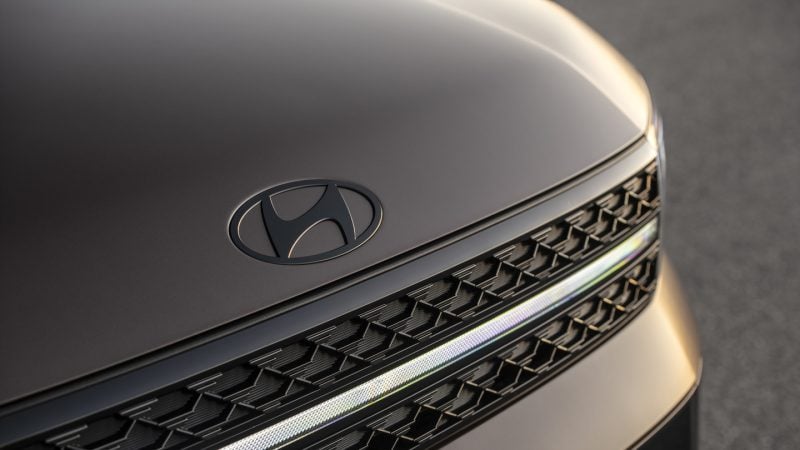
Electric driving is quiet, smooth and cheap to fuel at home. The questions most drivers still ask are about range and charging on long trips. Hyundai’s answer to those questions is a new type of vehicle for the brand: the extended-range electric vehicle, or EREV.
Hyundai has announced that its first EREV will be a new Santa Fe, arriving in the first half of 2027 with more than 965 km of expected total range. Here is a plain-language look at what an EREV is, what that total range figure means, how an EREV differs from the hybrids and EVs you already know, and what Hyundai has shared so far about the Santa Fe EREV.
What an EREV Is and How It Works
An extended-range electric vehicle drives on electricity. Its wheels are powered by an electric motor fed by a battery, the same way a fully electric vehicle works.
The difference is what happens when the battery runs low. An EREV carries a gasoline engine on board, but that engine does not drive the wheels. Its job is to generate electricity that recharges the battery, so the vehicle keeps driving on electric power. Hyundai Motor Group describes an EREV in exactly these terms: a vehicle that runs on electricity, with an engine that generates power to recharge the battery.
In everyday terms, you get an EV-like drive with the backup of a fuel tank for longer trips.
How an EREV Compares With Other Electrified Vehicles
Hyundai already sells hybrids, a plug-in hybrid and fully electric models. Here is where an EREV fits:
| Vehicle Type | What Turns the Wheels | How the Battery Charges |
| Hybrid | Gas engine and electric motor together | The engine and braking energy |
| Plug-in hybrid | Gas engine and electric motor | Plugging in, plus the engine and braking |
| Electric vehicle | Electric motor only | Plugging in, plus braking energy |
| Extended-range EV | Electric motor only | Plugging in, plus an onboard engine-generator |
The key point: an EREV always drives like an EV, while the engine stays in the background as a generator.
What Hyundai Has Announced About the Santa Fe EREV
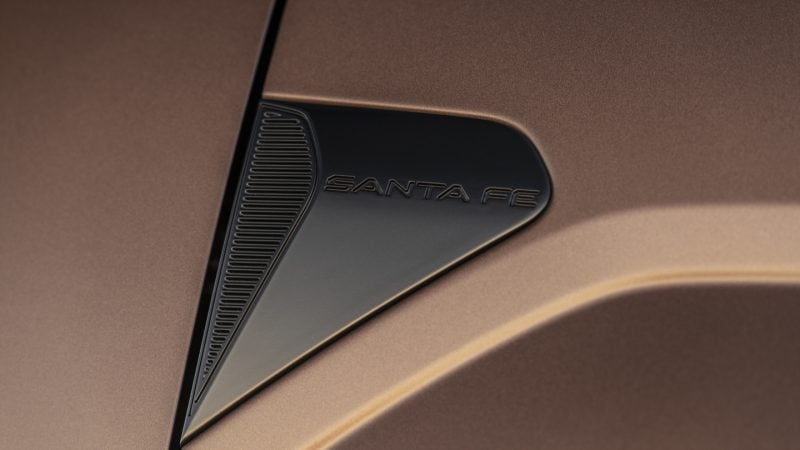
Hyundai shared its first EREV details at its 2026 CEO Investor Day in Seoul on August 26, 2026. Here is what the company has confirmed:
- Timing: the Santa Fe EREV arrives in the first half of 2027
- Total range: Hyundai expects more than 965 km of total range
- Smaller battery: it uses less than half the battery capacity of a comparable EV, while delivering equivalent battery performance
- Production: it will be built in the United States at Hyundai Motor Manufacturing Alabama
Hyundai says the Santa Fe EREV offers an EV-like daily driving experience while addressing the range and charging concerns some drivers still have about going fully electric.
What 965 km of Total Range Means
Range on an EREV works differently than on a fully electric vehicle. On an EV, range is how far you can drive on one full battery charge. On an EREV, total range counts the distance you cover on battery power plus the extra distance the onboard engine-generator adds by recharging the battery as you drive.
For the Santa Fe EREV, Hyundai expects that total to exceed 965 km. In practical terms, that covers long highway trips while the vehicle keeps driving on electric power the whole way.
Hyundai’s New In-House Battery Cells
The Santa Fe EREV is set to use Hyundai’s in-house high-performance battery cells. According to Hyundai, these cells deliver more than double the output of its earlier high-nickel cells and cut charging time by 40%.
Hyundai Motor Group is also developing next-generation batteries for EVs and EREVs at a new battery research campus in Korea. EREVs are part of the group’s wider electrification plan through 2030.
Why a Smaller Battery Matters
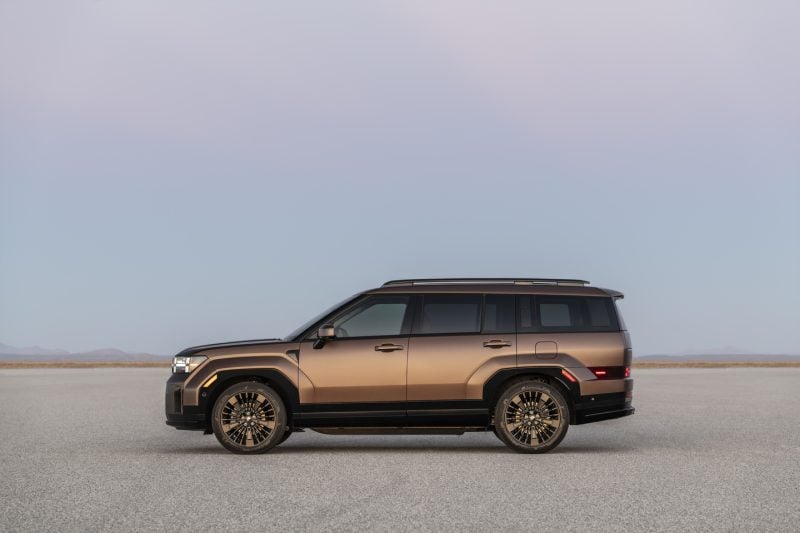
Batteries are one of the most expensive parts of any electric vehicle. By using less than half the battery capacity of a comparable EV, an EREV like the Santa Fe can keep electric driving on the menu with a smaller, lighter pack.
The onboard engine-generator then covers the long highway stretches that would otherwise call for a big battery or a charging stop. For drivers who make long trips several times a year, that pairing removes much of the planning that comes with an EV.
Who Could an EREV Suit?
An EREV is worth watching if you want the smooth, quiet feel of an electric drive for daily errands and commuting, but also take regular long-distance trips and prefer not to plan around chargers. It also suits drivers who like the idea of charging at home and want a backup on the road.
If your driving already fits an EV, Hyundai’s IONIQ 5 and IONIQ 9 deliver fully electric family transportation today. If you prefer a gas-electric setup, the Santa Fe Hybrid and Tucson plug-in hybrid are strong options in the current lineup. The Santa Fe EREV adds a third path between the two.
What About Canada?
Hyundai Auto Canada has not yet confirmed whether the Santa Fe EREV will be offered in Canada. Canadian details, including timing and specifications, will come from Hyundai Canada if and when the model is confirmed for this market.
Key Takeaways
| Topic | What to Know |
| EREV meaning | Extended-range electric vehicle |
| How it drives | Always on electric power |
| Role of the engine | Generates electricity to recharge the battery |
| First Hyundai EREV | Santa Fe EREV, first half of 2027 |
| Expected total range | More than 965 km |
| Canadian availability | Not yet confirmed by Hyundai Canada |
Stay Up to Date With Cambridge Hyundai
Electrified driving keeps moving forward, and the Santa Fe EREV is one of the models to watch. Drop by Cambridge Hyundai in Cambridge to talk through Hyundai’s hybrid, plug-in hybrid and electric options, and ask our team to keep you posted on EREV news.